Two lines on one quotation: the same coolers priced FOB Shanghai on one line and CIF Mombasa on the next, and a buyer who has to say which one they accept. On an appliance order the fob vs cif difference comes from two amounts nobody can price until your cartons are counted — the ocean freight those cartons take up, and the cargo insurance cover you accept. The goods, the export clearance and the loading on board sit inside both numbers; the term moves the freight and the cover.
Which is why two lines, and two suppliers, are rarely comparable as they arrive. This page is where our payment and shipping subject starts: which decisions the term itself makes, how our own cartons let you estimate the freight half of a CIF quotation before it reaches you, and where the term stops and the payment conversation begins. Every commercial figure behind it — unit price, deposit share, payment method, lead time, minimum quantity — is settled per order in the quotation, and none of it stands here as a promise.
What does FOB vs CIF actually change in a quote?
Two costs move between the parties. The risk point does not. The pages that explain these terms to importers set out the split the same way: the goods are cleared for export and loaded on board at the named port, and on either term they stop being the seller's risk at that moment, before the sea leg rather than at the end of it — ICICI Lombard and Redwood Logistics both state it for CIF, which is the term most often misread. What CIF adds is money: the ocean freight to the named destination port, and the cargo insurance with it.
| FOB, named port of shipment | CIF, named port of destination | |
|---|---|---|
| Inside the price | goods, export clearance, loading on board | goods, export clearance, loading, ocean freight, cargo insurance |
| Left to the buyer | ocean freight, cargo insurance, destination port charges, import clearance, duty, inland delivery | import clearance, duty, inland delivery, and any terminal or unloading charge the seller's freight booking does not cover |
| Who books the freight | you | the seller |
| Cargo insurance | left to you: the term obliges neither side to insure | the seller arranges it, to the minimum cover the rule calls for unless wider terms are agreed |
| Who controls carrier, route, transit time | you | the seller |
Two notes on that table. The insurance line is narrower than it looks: ICICI Lombard's comparison notes that the cover inside a CIF price is the minimum the rule requires unless wider terms are written into the contract. The rules themselves say what that minimum is — under CIF in Incoterms 2020 the default is the Institute Cargo Clauses (C) level of cover, with a higher level available only if the contract agrees it (the ICC's note on the 2020 rules) — so a buyer who needs more writes it into the contract or buys cover separately. And the second row explains a surprise that arrives with the first container: a CIF price stops at the destination port, so import clearance, duty and the inland leg stay with you. Which terminal handling or unloading charges sit inside the seller's freight booking depends on how that booking was made, so ask for it by name — a CIF number is complete only as far as the freight it bought goes.
One caution on the risk point. "CIF Mombasa" reads as though the seller answers for the goods until they reach Mombasa, and that is the reading the cost side invites. The rules allocate cost and risk separately: the cost runs to the named destination port, the risk passes when the goods are on board at the port of shipment. So name the edition on the quotation — Incoterms 2020 is the current set, per the ICC — and read the risk clause of the text you have named. That line costs nothing and settles which text both sides argue from.
Why do the cartons decide the freight inside a CIF price?
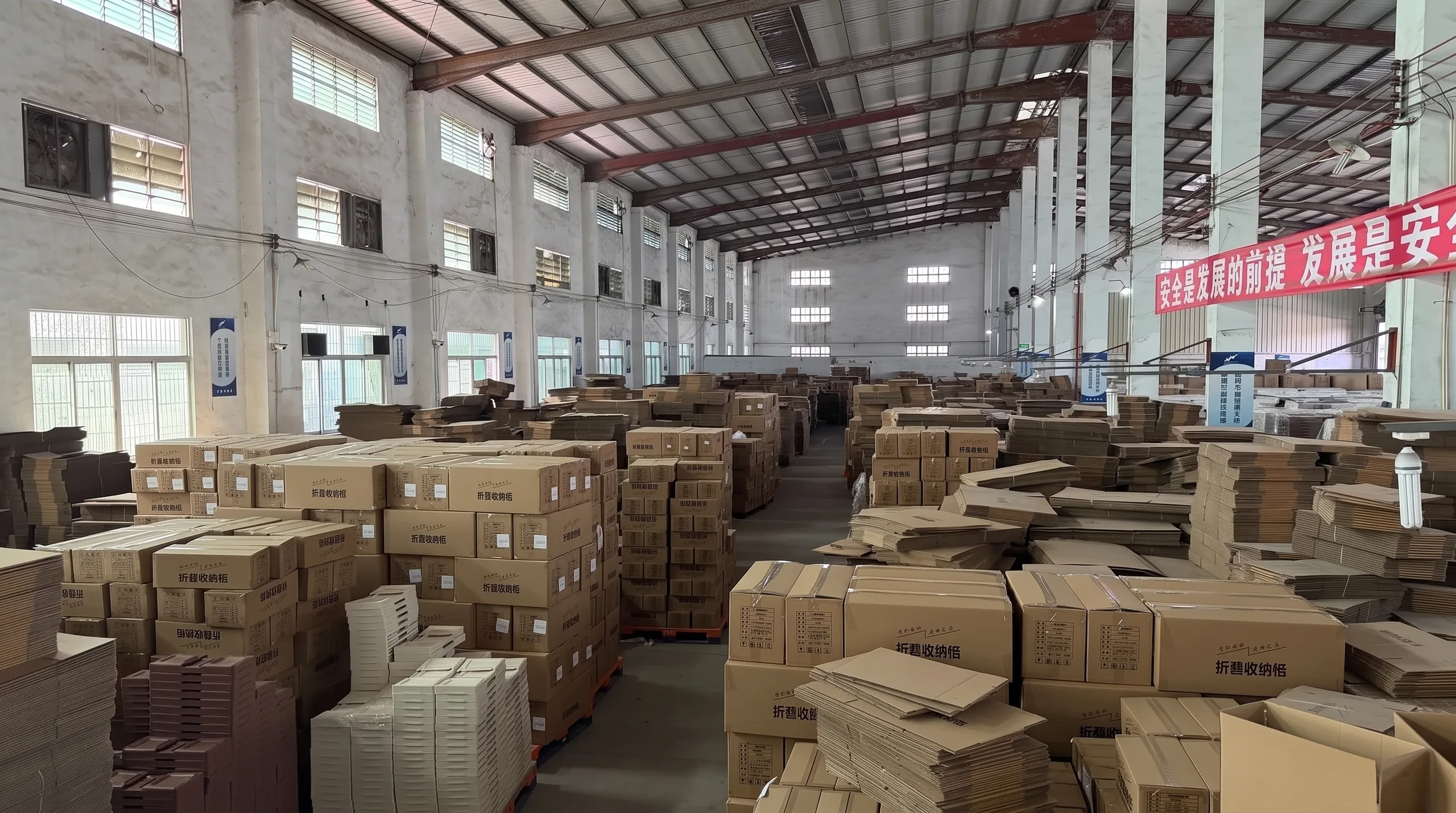
Because ocean freight is quoted against the space the cartons take — per container, or per cubic metre for a shared load — and our packing records give that space for each model. Two examples from our air cooler range. The WJD4500F-1D packs into a 550 × 460 × 1,020 mm carton at 14.6 kg gross, which is 0.258 m³. The WJD8000F carton measures 695 × 460 × 980 mm at 21 kg gross, which is 0.313 m³ — WJD8000F-1M is one of the models it carries. Divide weight by volume and both come out light: roughly 57 kg and 67 kg per cubic metre.

Then the arithmetic. Two hundred cartons of that 42 L model take 51.6 m³; multiply by the rate your forwarder quotes per cubic metre for the lane, add the premium for the cover you want, and you have an estimate of the freight-and-insurance half of a CIF price before one arrives. It is an estimate: surcharges, peak-season fees and the forwarder's own basis sit on top of it, and it means nothing unless both quotations are on the same basis. Used that way it answers one question well — if the CIF-minus-FOB gap on a quotation is many times that figure, freight alone does not explain it; if the gap is far below it, ask what the cover and the route really are.
The same packing record shows why the count matters more than the model. Those two cartons differ by 6.4 kg gross and by 0.055 m³, so the space one takes is not a simple multiple of the other's; what moves the freight figure on an order is the number of cartons and the packed size of each, not the weight printed on them. That is also the first way a private-label project changes its own shipping cost — new artwork, another carton, an added accessory — and it is why the packed version is confirmed in the customization process we follow before production: freight quoted against an earlier carton may not be the freight you ship. Reconciling a figure before the packing is approved is the discipline we applied when three cooler models were restated from 6 L to 5.5 L (how that correction was handled).
What must a CIF quote state before you can compare it?
Six things, and a quotation missing any of them is a number without a denominator:
- The named port, not only the country.
- The edition of the rules, so both sides know which text governs.
- The quantity and the packing version the freight was calculated on — a rate for 200 cartons is not a rate for a full container.
- The freight basis: per container, or per cubic metre, and which surcharges are inside it.
- The cover: which cargo insurance, on what insured amount.
- How long the number holds. Ocean rates move, so ask for the date the quotation expires; a number with no stated validity leaves you budgeting on a guess.
We publish no prices and no standing commercial terms. A price is quoted per order, and the model, the quantity, the packing version, the destination port and the term belong to that quotation rather than to a catalogue line — which is why two buyers on the same model can hold two different numbers and both be right.
Where does DDP fit, and why is it not a third price level?
A DDP quotation is not a higher tier of the same number; it is a different question, because it is meant to answer the import side as well as the freight instead of stopping at a port. That intention is what gets tested rather than assumed, and the price is only as good as two things behind it: a party able to clear the goods in your market, and a duty figure — which comes from how the goods are classified and from what your market's valuation rules charge duty on. Whether a value that includes freight and insurance is also the value your market taxes is a question for your broker in your market, not for a general guide, and Redwood Logistics makes the practical version of it from the CIF side: freight and insurance folded into an invoice value are hard to separate out again once the goods are assessed at import. Until a DDP price and an FOB price say what value the duty was charged on, they are not yet comparable. Whether we can quote DDP for your destination belongs to the inquiry, and this page does not assume it.
What the term does not settle: when the money moves
A trade term divides cost and risk. It says nothing about when you pay, and the two get confused because they travel on the same paper. Deposit with the order and the balance later, or a documentary credit, or payment against documents — the method, the shares, the document that releases the final payment and the point at which it is presented are agreed separately, order by order, beside the term. Three questions come out of that half, and each is settled on its own: how the order is paid, what share moves before production and what share after shipment, and which document releases the goods at destination — an original bill of lading that has to travel to you, or a telex release that lets the container go without it. None of the three is decided by FOB or CIF. What the term does add is the carriage behind that paperwork: it says who books the ship, and so who holds the carrier's transport document as it is issued. Which document is presented to release the goods, in what form and when, is part of the payment conversation rather than of the term. Read the payment terms beside it, ask who will hold the bill of lading and how it reaches you, and treat the term as half of the answer rather than all of it.
Which term should a first order take?
If you already have a forwarder and can place your own cargo cover, FOB leaves you with a number that is only about goods, and that is the number you can compare across suppliers. If you cannot, CIF is legitimate — you are buying the arrangement instead of the control, and Redwood Logistics' comparison makes the same argument about who is watching the shipment when something goes wrong in transit — but ask for the freight basis and the cover anyway, or you are comparing your own convenience with someone else's assumptions.
Neither term belongs on a purchase order without its port. "FOB" on its own and "CIF" on its own are not terms; "FOB Ningbo" and "CIF Mombasa" are.
What should you send, and where does the comparison start?
Send the model and its full suffix, the quantity for each model, the packing version if the cartons are private label, the destination port, and the term you want to work to. If you hold a forwarder's rate for the lane, send the basis it was quoted on, because that is what puts both halves of your comparison on one page. The quotation is where the term, the price and the payment stage are confirmed for your order (tell us the model and the port).