// OEM / ODM
OEM Home Appliances and ODM Customization
Wanjiada offers existing-model customization and new-product development for appliance brands and sourcing teams.
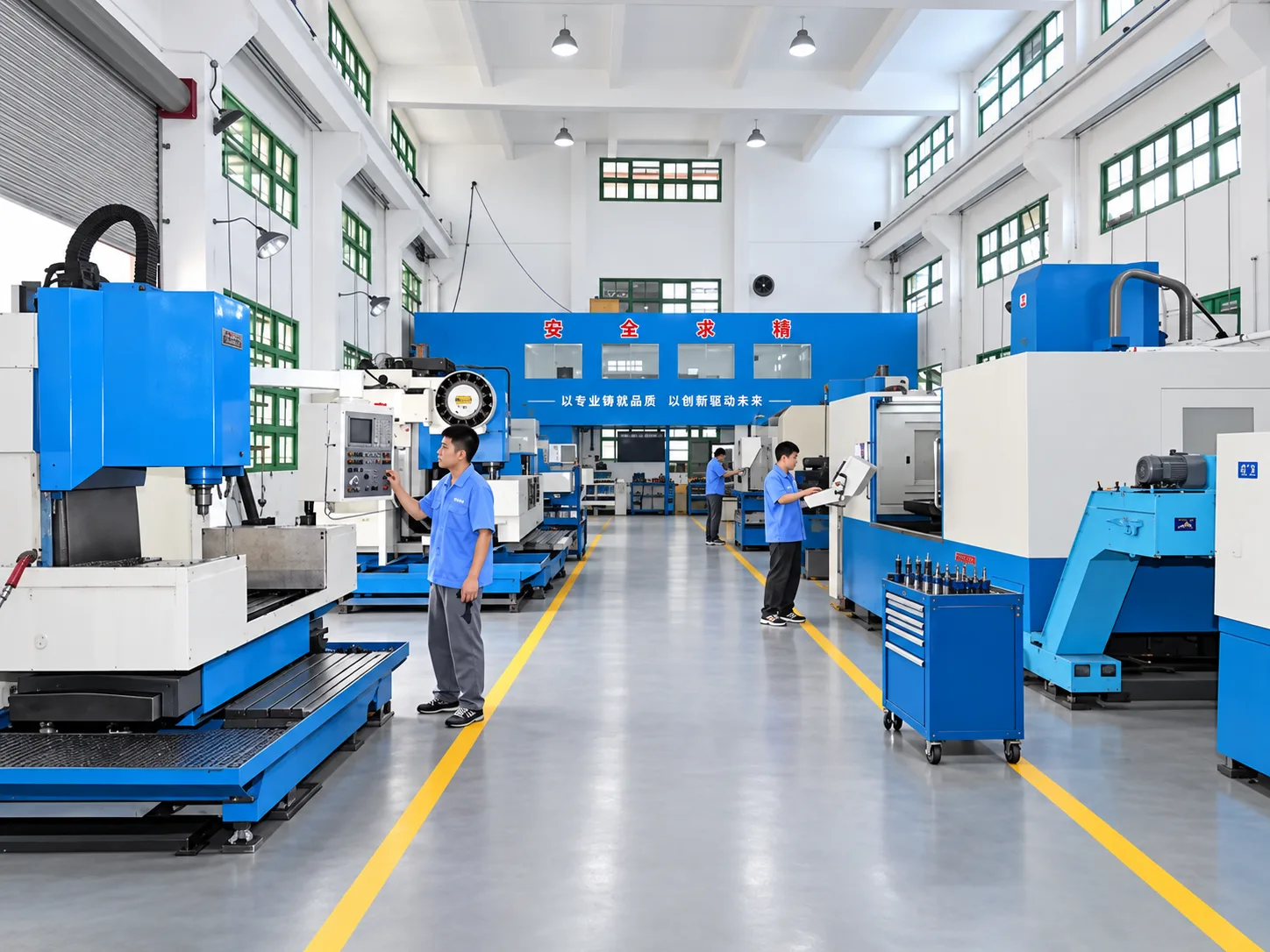
Product families for discussion
Select a product family or model.
- Air Coolers
- Air Purification Fans
- Air Circulation Fans
- Portable Fans
- Portable Heaters
- Clothes Dryers
- Plastic Cabinets
- Plastic Storage Boxes
Options depend on the selected model.
// Two Starting Points
Customization options
Choose existing-model branding or new-product development. Feasibility is assessed for your model or project.
Brand an existing model
Identify the catalog model, destination market and branding changes for configuration and sample review.
Develop a new product
Share the concept and intended functions to define design, tooling and sample-review requirements.
// Light Customization
Existing-model customization
Start with a model from the catalog and specify the changes your brand needs. Availability is assessed for that model and destination market.
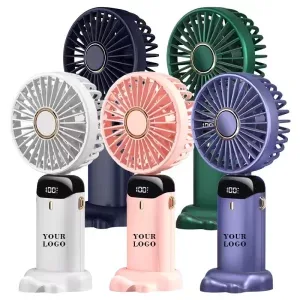
Logo
Brand artwork, placement and application method.
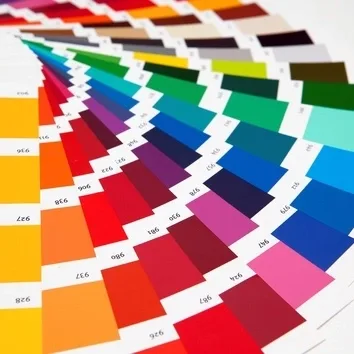
Color
Housing color reference and sample approval.
Accessories
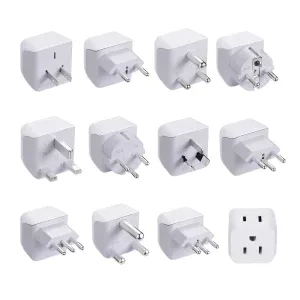
Required plug, adapter and supplied components.
Product label
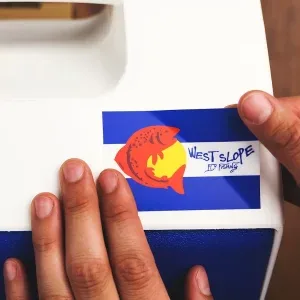
Brand identification and market-specific label text.
Instruction layout
Language · Diagrams · Operating guidance
Manual
Language, product diagrams and operating instructions.
Packaging
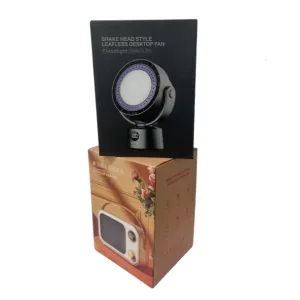
Carton artwork, protective packing and order markings.
Original customization examples, not customer case studies or a confirmed accessory list. Final artwork, colors, electrical requirements and packaging need project approval.
// Product Development
New-product development
For a new concept, define the product before agreeing the design, tooling and sample-review scope.
- Appearance
- Outline the product shape, size and brand direction.
- Functions
- Define operating modes, electrical requirements and review criteria.
- Mold and tooling
- Discuss new parts, mold requirements and tooling arrangements.
- Materials
- Specify the intended use, finish and material requirements.
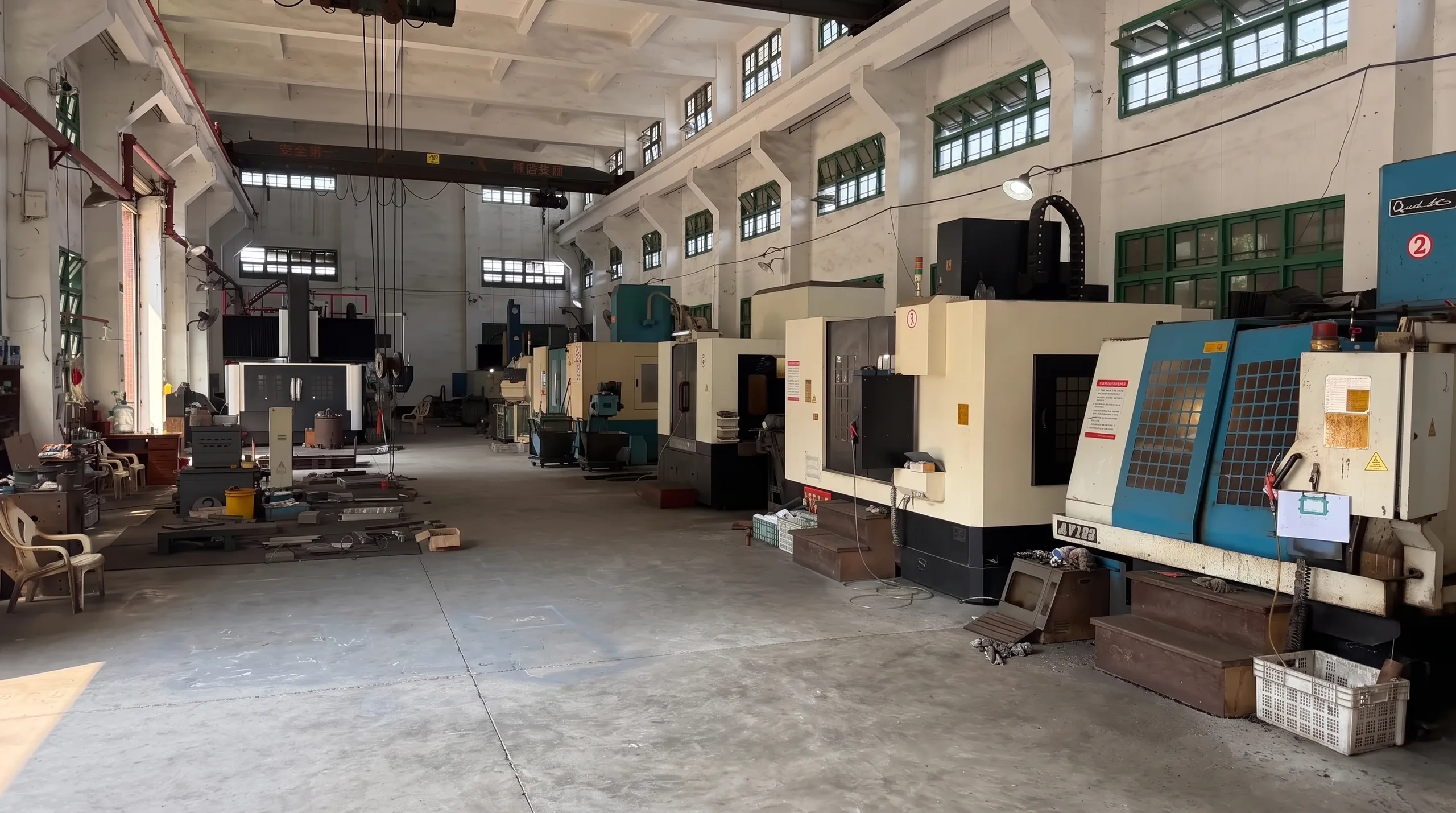
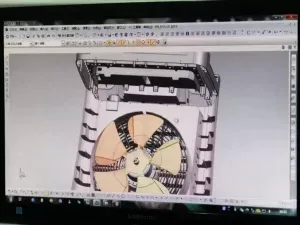
Development feasibility, material suitability, tooling terms and the required tests are agreed for each project.
// Development Steps
From brief to production
Define the requirements, review the design and sample, then agree the specification for production.
- 01
Requirements
Define the product, destination market and requested customization.
- 02
Design & prototype
Review the proposed design and prototype for the project.
- 03
Sample review
Check the sample and record the changes needed before approval.
- 04
Production planning
Confirm the approved sample, specification, packaging and order arrangements before production.
Include a model or design reference, expected quantity and destination market. Sample terms and the development or production schedule require project agreement.
// Project Planning
Customization questions
Clarify the model, market and development scope before requesting a quotation.
What is the difference between existing-model customization and new-product development?
Existing-model customization starts from a selected Wanjiada model and proposed branding or supply changes. New-product development adds a brief for appearance, functions, tooling and materials; feasibility and sample acceptance need project-specific review.
Which branding and packaging changes can be discussed?
Logo, color, accessories, labels, manuals and packaging are six options for discussion. Specify the model and requested changes; example pictures do not confirm available colors, accessory inclusion or a standard packing list.
What should I include in an OEM or ODM brief?
Include the model or concept, destination market, electrical requirements, proposed functions, branding files and quantities. Separate sample and production quantities, and identify any required tests or documents. Drawings and artwork can be added in your email application.
How are samples and requested changes reviewed?
Review the sample against agreed dimensions, appearance, functions and acceptance criteria. Record requested changes against a design revision before production approval; confirm their effect on tooling, testing, price and timing. The sample photograph is not a performance-test report.
How are minimum quantities and lead times confirmed?
Minimum quantities and timing depend on the selected model and development scope. Request sample availability and charges, tooling or artwork costs, production lead time and delivery arrangements in the quotation. No universal MOQ, free sample or fixed shipping period is promised here.
Which documents apply to a customized product?
Check records naming the exact model, electrical configuration and destination market. Existing certificate scans do not automatically cover a changed design; agree any additional testing and inspection requirements. Document dates and listed-model scope remain separate from current order applicability.
// Model & Project Inquiries
Discuss your customization project
Share an existing model or a new-product brief, together with your branding and destination-market requirements.
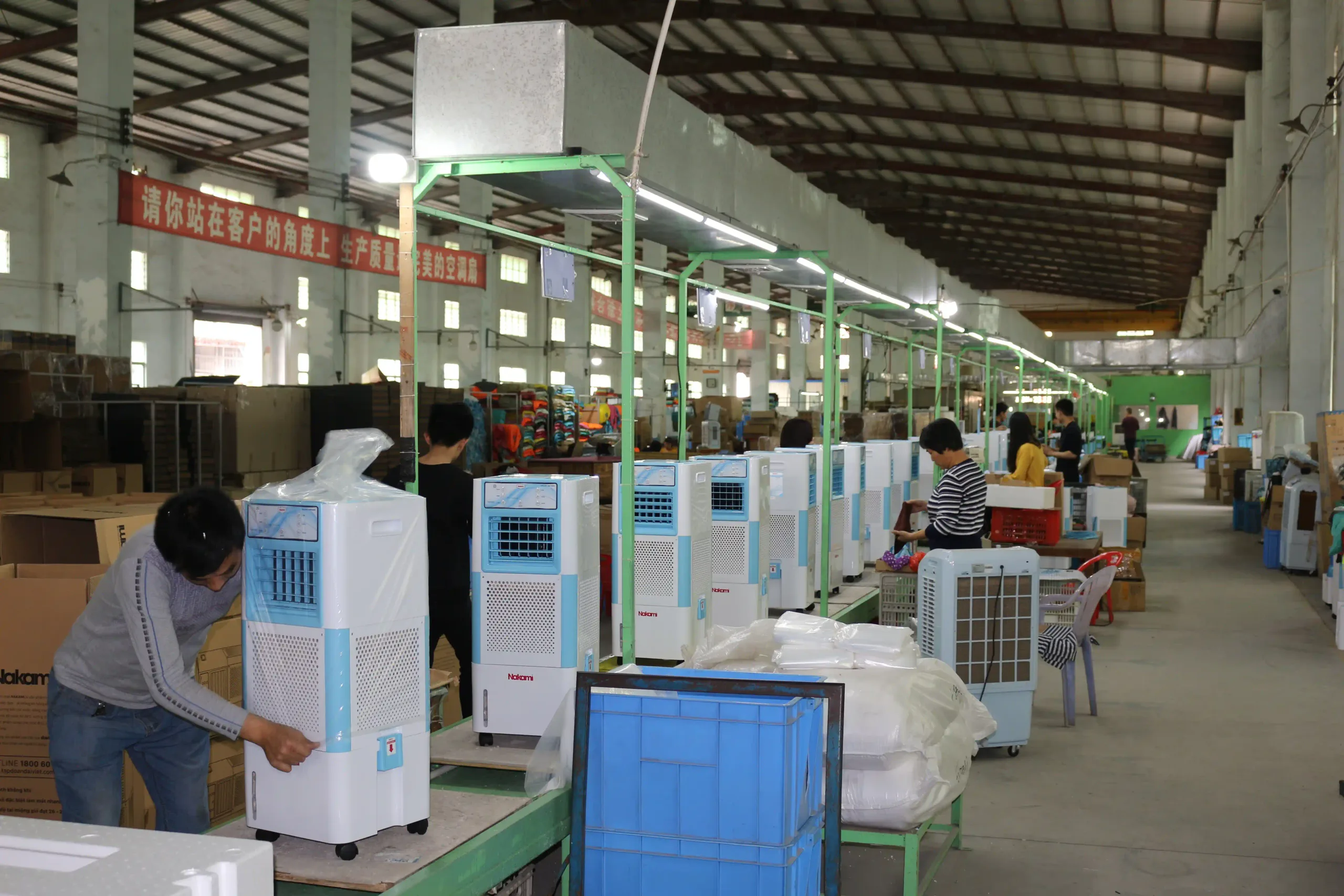
Before you place an order
Confirm the specification and commercial terms for the exact model or project.
- Model and market documents
- Request the product specification and applicable documentation for the selected model and destination market.
- Minimum order and samples
- Ask for the project’s order minimum, sample availability and sample or shipping charges.
- Packaging and delivery
- Agree the packaging specification, quantity and production or delivery schedule in the quotation.