// Plastic Molding
Custom Plastic Injection Molding
Wanjiada supports custom mold development and plastic component molding. Share your part drawing, material requirements and expected quantity to start a project review.
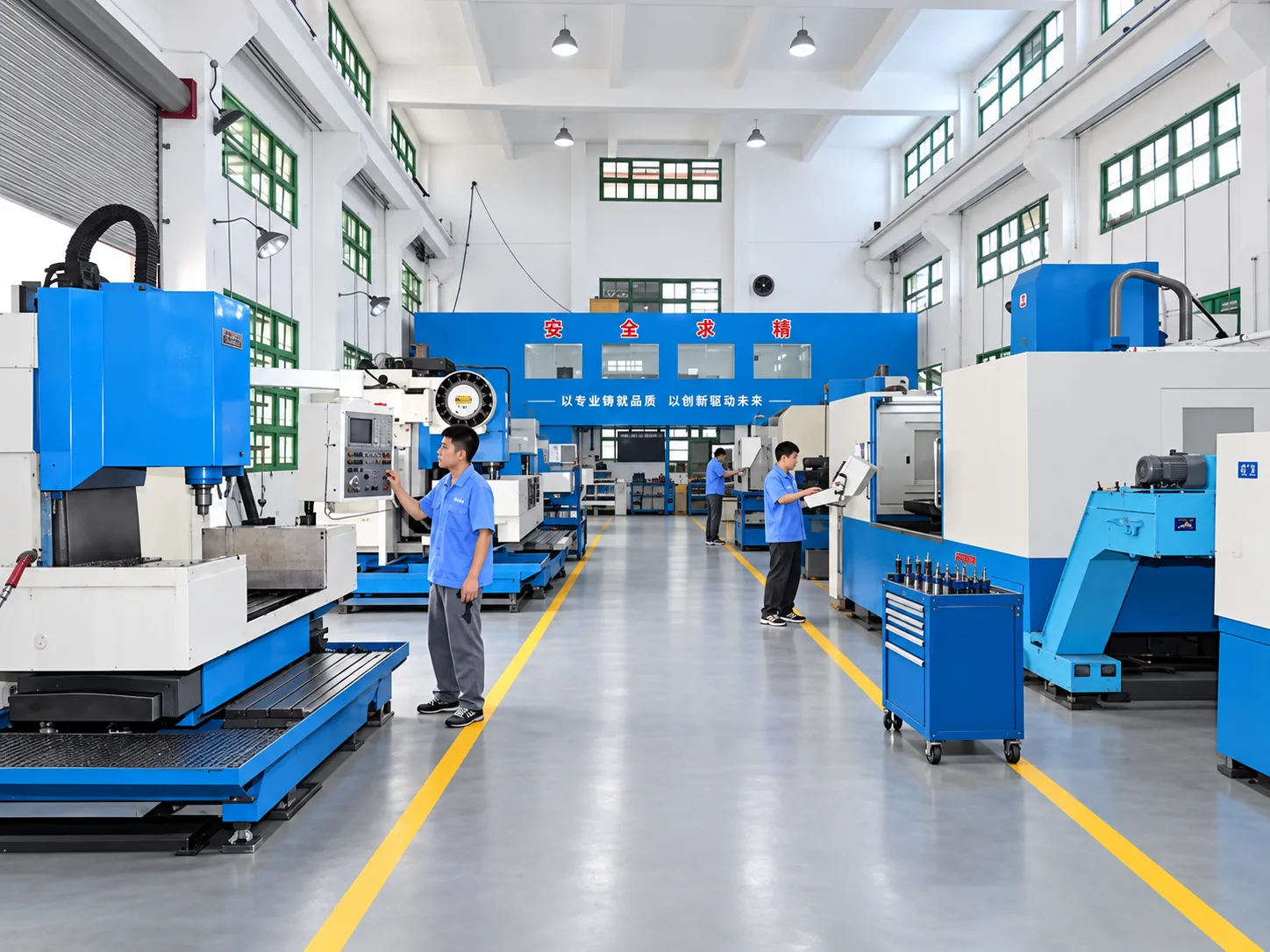
Define the required output
Specify whether the project concerns a mold, molded components, or both.
- Custom mold development
- Plastic component molding
- Mold and component project
This service can be discussed independently of an appliance order.
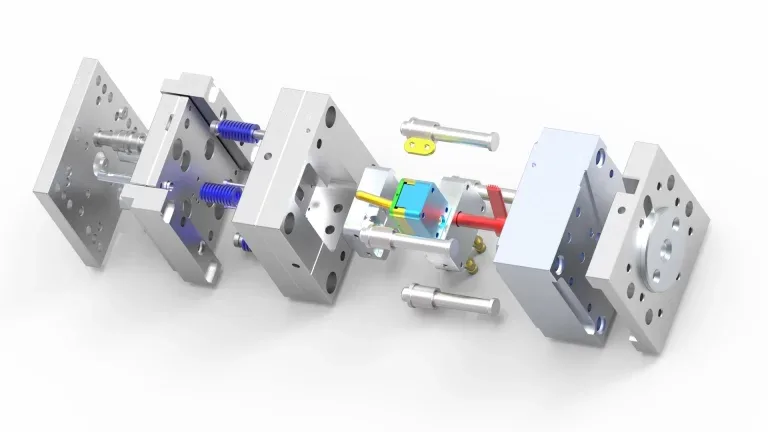
// Project Assessment
Your part and project brief
Start with a drawing, sketch or existing part. Specify the required output and the requirements that matter to fit and use.
Information for review
Include a drawing revision or reference photographs if available.
- Material grade, intended use and destination market
- Critical dimensions, tolerances and assembly interfaces
- Color, texture and surface finish requirements
- Trial quantity and expected production quantity
- Mold supply, molded components, or both
Use the inquiry form for a project summary and send drawings or part photographs separately by email. Identify the drawing revision and required output so material, tolerance, tooling and schedule discussions refer to the same part.
// Project Stages
Mold development workflow
Review the part, confirm the design and evaluate trial samples before agreeing delivery or component production.
- 01
Part requirements
Share the concept, drawing or part reference, intended use and quantity.
- 02
3D design review
Review part geometry, material requirements and assembly interfaces.
- 03
Design confirmation
Agree the design revision, critical dimensions and acceptance requirements.
- 04
Mold manufacture
Proceed with the agreed tool specification and manufacturing plan.
- 05
Trial and adjustment
Review trial samples for dimensions, fit and function; record required changes.
- 06
Delivery planning
Confirm sample approval, mold or component output, packaging and shipment arrangements.
Acceptance criteria, trial revisions and the project schedule are agreed before production commitments.
Discuss a project// Intended Use
Part applications
Describe how the part will be used. These application topics help define the project requirements.
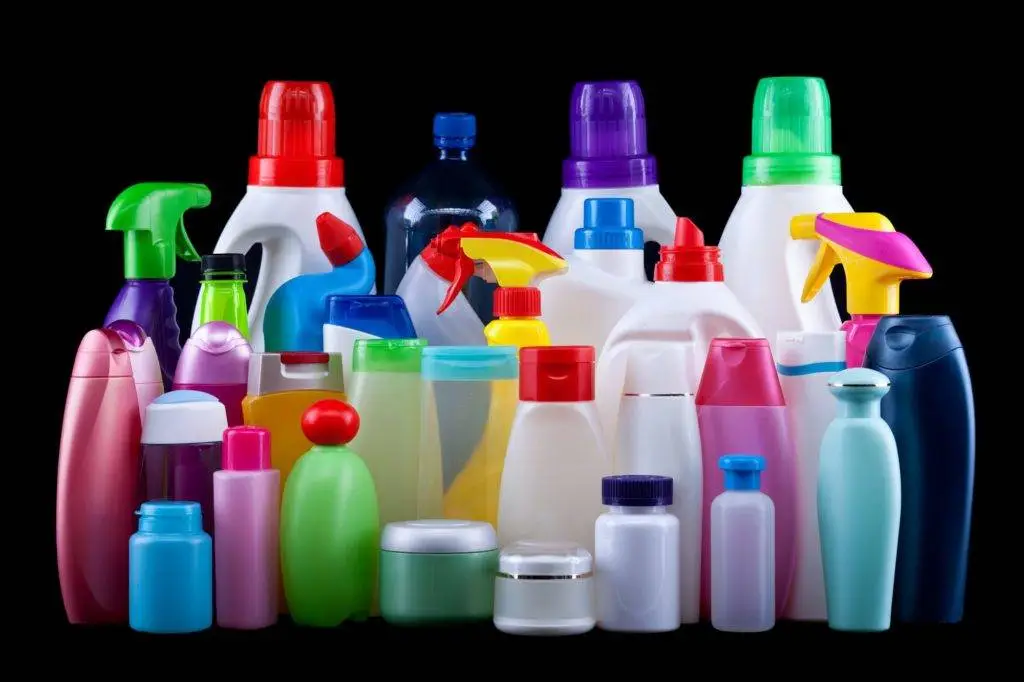
Everyday plastic products
Containers, closures and household items: specify dimensions, repeated-use requirements and the intended contents.
Explore plastic cabinets
Electrical housings
Enclosures and components: identify mating parts, fixing points and any electrical or temperature-related requirements.
Explore OEM/ODM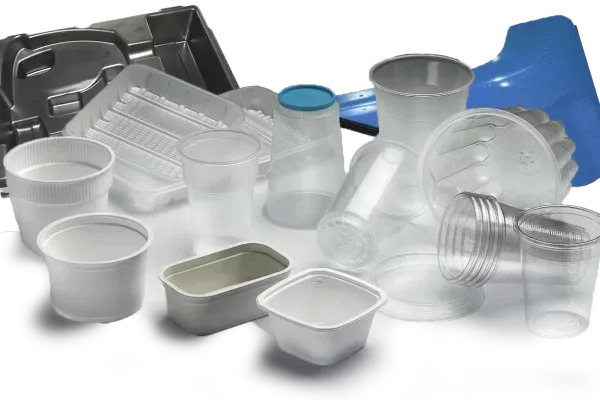
Packaging and lids
Boxes, lids and packaging parts: specify closure fit, contact conditions and required destination-market documents.
Explore storage boxes
Original application illustrations, not completed customer projects. Food-contact, electrical, child-safety or other industry requirements need project-specific assessment and evidence.
// Resin & Tooling
Material and tooling review
Use one drawing revision, a specified resin grade and agreed acceptance criteria as the basis for tooling and sample review.
- Resin and intended use
- State the proposed grade, contact conditions, operating environment and required properties. PE, PP, PA and PPS are discussion examples, not a confirmed processing list; material suitability and availability need project review.
- Dimensions and measurement
- Mark the drawing revision, datums, critical dimensions, mating surfaces and finish references. Specify the tolerance and measurement method for each critical feature; appearance approval alone does not establish dimensional acceptance.
- Tooling and delivery scope
- Define whether you need a mold, molded components or both. Agree tool material, cavity layout, ownership, maintenance and the required delivery records for the proposed quantity and use.
- Trial sample acceptance
- Request a sample record linking the drawing revision, resin grade and sample identification to dimensional results, fit checks and required tests. Record deviations and agreed changes before sample approval.
Achievable tolerances, tool life, material suitability and timing depend on the reviewed design and project agreement. Appliance certificates do not establish compliance for a custom molded part.
Discuss part acceptance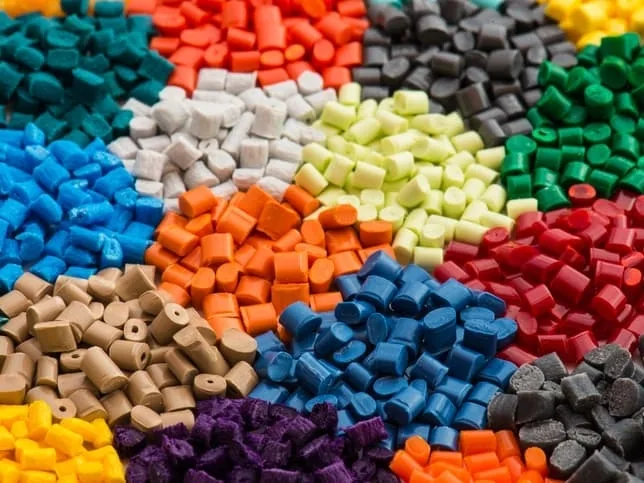
// Project Questions
Injection molding questions
Resolve tooling, trial and supply terms for the specific part before making a production commitment.
Can I start with a concept, drawing or existing part?
Yes, a sketch, drawing, reference photograph or functional brief can start the discussion. State the intended use and whether you need a mold, components or both. Drawing completeness, design work and trial quantities are reviewed before the tooling scope is agreed.
Which dimensions and assembly details are needed?
Provide the drawing revision, overall dimensions, mating interfaces, critical fit requirements and requested surface finish. Separate trial and production quantities. Identify tolerances and inspection criteria that need agreement; no general machining-accuracy guarantee is published here.
How are material grades and tooling requirements evaluated?
Specify the resin grade, intended contents or operating conditions, color, finish and target production quantity. These guide discussion of part design, tool material and trial acceptance. A material name or application illustration alone does not establish processing feasibility or sector compliance.
How are trial samples and design changes reviewed?
Agree the dimensional, assembly-fit, appearance and functional checks before trials. Record requested changes against the drawing revision and confirm the accepted sample before production. Ask for project-specific trial records and any revision costs before accepting the trial samples.
How are mold ownership, life and maintenance agreed?
Put the tool specification, ownership, storage, acceptance criteria and maintenance or repair responsibilities in the quotation and project agreement. Expected service life depends on the agreed tool and use; no universal cycle-life or free-maintenance commitment is stated here.
What determines quantities and the development schedule?
Design review, tooling, trials, revisions, production quantity and delivery requirements determine the schedule. Confirm trial costs, minimum quantities and support responsibilities for the project. A fixed development period, free samples and automatic compliance for regulated uses are not promised.
// Model & Project Inquiries
Discuss your mold or component
Describe the part, material and expected quantity. Send drawings or part photographs separately to wanjiada@gdboost.com with the same project reference.
Before you place an order
Confirm the specification and commercial terms for the exact model or project.
- Model and market documents
- Request the product specification and applicable documentation for the selected model and destination market.
- Minimum order and samples
- Ask for the project’s order minimum, sample availability and sample or shipping charges.
- Packaging and delivery
- Agree the packaging specification, quantity and production or delivery schedule in the quotation.