
Appliance Sample Approval: What to Check and Record Before Mass Production
What a signature on a sample actually freezes on an appliance order, the figures in our own model records that read two ways — cell rating, tank volume, carton height — and the nine lines we would want on the sheet before anything goes to production.

Appliance sample approval is the cheapest signature on an order and the one that settles the most. It does not decide whether the unit in front of you is good. It decides what the order will be called from that day on: the exact model and configuration, the figures that reach the label, the manual and the packing list, the packaging version, and the documents that follow the goods to your market. Approve against a description you can repeat, and final inspection becomes a comparison. Approve against an impression, and every later argument is about what the paper meant.
What does appliance sample approval actually settle?
Four things leave the room with your signature, and none of them is "quality" in the abstract.
| What the signature freezes | Where it shows up later | What a vague line costs you |
|---|---|---|
| Configuration: model suffix, electrical supply, materials, functions | the order, the label, the model record | a different suffix ships under the same wording |
| Specification figures: dimensions, tank, airflow, weights | packing list, inspection report, your own listing | two documents describe the same order differently |
| Packaging version: carton, label, manual, accessories | the print run and its artwork revision | cartons from two revisions in one container |
| Document set: model, rating, destination market | the compliance file for your market | a record that describes a different object |
Our own process puts the signature in the middle of the order rather than at the end: requirements, design and prototype, sample review, production planning. Sample review is where the changes are written down; planning then confirms the approved sample, the specification and the packaging before production starts. That order is deliberate. A sample approved after planning has begun is a change order, not an approval.
Which sample are you being asked to sign?
Ask three questions before you look at the unit: which tools and process made it, which materials went into it, and whether the electronics and the packaging are the versions you will actually order.
A sample built outside the production process shows what the product can be. It does not show what the line will repeat. Where a project starts from an existing model, the sample should still be the configuration you are buying — the suffix, the supply, the fitted accessories — and not the nearest unit on the shelf. Where the project is a new development, the sample is the design revision made physical, and the revision reference belongs on the approval sheet, not in an email subject line.
Keep the photograph in its place. A sample photograph records appearance; it is not a performance-test report, which is why we do not treat one as evidence of a measured result. If a figure such as runtime, noise or cooling performance matters to your brief, ask for the test record separately, with the conditions it was measured under, rather than reading it off a picture.
What do you check it against?
The list you agreed before the sample was made — dimensions, appearance, functions, acceptance criteria and packaging — with each item written so that two people would record the same result.
| Area | What the sheet should carry |
|---|---|
| Dimensions | product size, the measuring points and the tolerance, plus the method used |
| Appearance | a physical colour standard, the finish, and logo artwork with its placement and application method |
| Functions | each function, the setting or input it was tested at, and the recorded result |
| Acceptance criteria | the limits agreed in writing before the sample was sent |
| Packaging | carton, label, manual and accessory list, each with its artwork revision |
Two entries on that list are where sheets go thin. The first is dimensions: a size without a measuring point is a number two people read differently, and how a drawing states a tolerance and how it is measured is the same discipline on a moulded part and on an assembled cabinet. The second is appearance: a colour approved from a phone screen is a colour nobody wrote down. Approve from a physical standard that both sides keep.
Which figures on the approval sheet carry two readings?
Battery capacity, tank volume and carton size do, because the same field measures different things depending on the record it came from. Three examples from our own model records show the size of the problem.
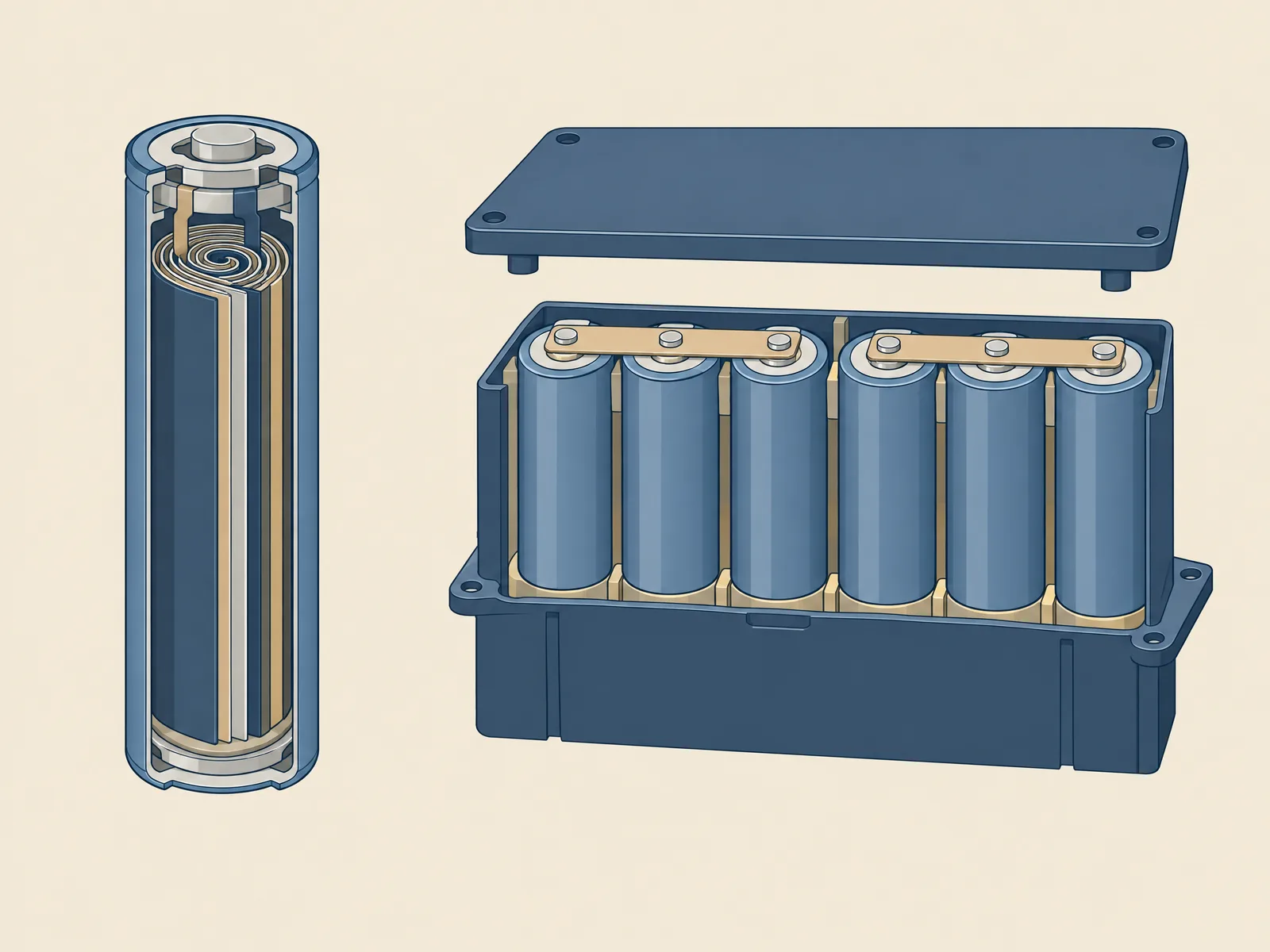
Battery capacity. The WJD4500F-1D record gives a 24 V DC supply, 75 W and a battery of 12 × 21700 cells at 4,000 mAh each. That is a cell figure. Written on a sheet as "4,000 mAh" it reads as the pack, and the pack figure is what your own listing will repeat. Record the cell count and the cell rating as the record states them, and ask separately what the assembled pack is rated at.
Tank volume. Three cooler models — WJD980F-3L, WJD980F-3M and WJD880F-1M — carried 6 L in older wording and were confirmed at 5.5 L in our October 2026 review. That correction is worth reading before you approve packaging, because a figure does not correct itself: a sheet copied from an older catalogue, a manual printed from another file and a listing written from memory become three different tanks on three different documents.
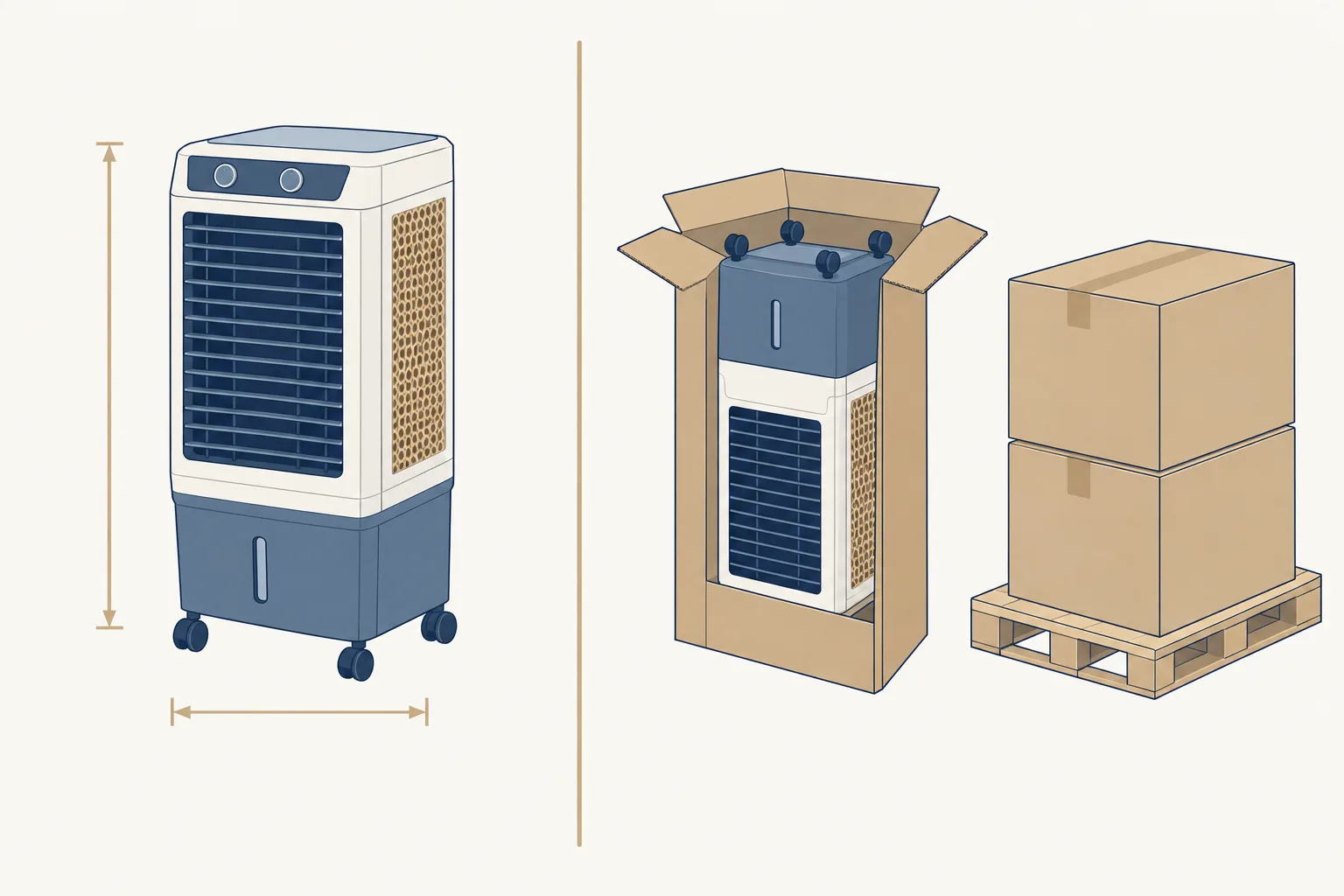
Carton size. The WJD8000F-1M record gives product dimensions of 680 × 410 × 1,250 mm and, separately, a carton of 695 × 460 × 980 mm measured with the water tank inverted. On an approval sheet the carton line is not the assembled height. Give each its own row, measured as each was measured, so that nobody converts one into the other when the packing list is made.
The rule that follows from all three: every figure on the sheet names the record it came from — the document, its revision or its date — and the basis it was measured on. A row reading "42 L" is a claim. A row reading "42 L, WJD4500F-1D model record, figures confirmed October 2026" is something a packing list can be checked against.
Where do the changes go?
On numbered lines against a design revision, with the effect of each line stated. Our sample review step asks for exactly that: check the sample against the agreed dimensions, appearance, functions and acceptance criteria, record the requested changes against a design revision before production approval, and confirm what they do to tooling, testing, price and timing.
A change in an email thread has no version, and the person who applies it is not the person who wrote it. A change recorded against a revision has one, and it makes the cost visible before you sign. A change that touches a mould is a new sample cycle. A change to the supply or the rating moves what has to be tested. A change to the carton moves artwork. Each of those sits in a different week, which is why the development schedule reads as gates rather than as a single date.
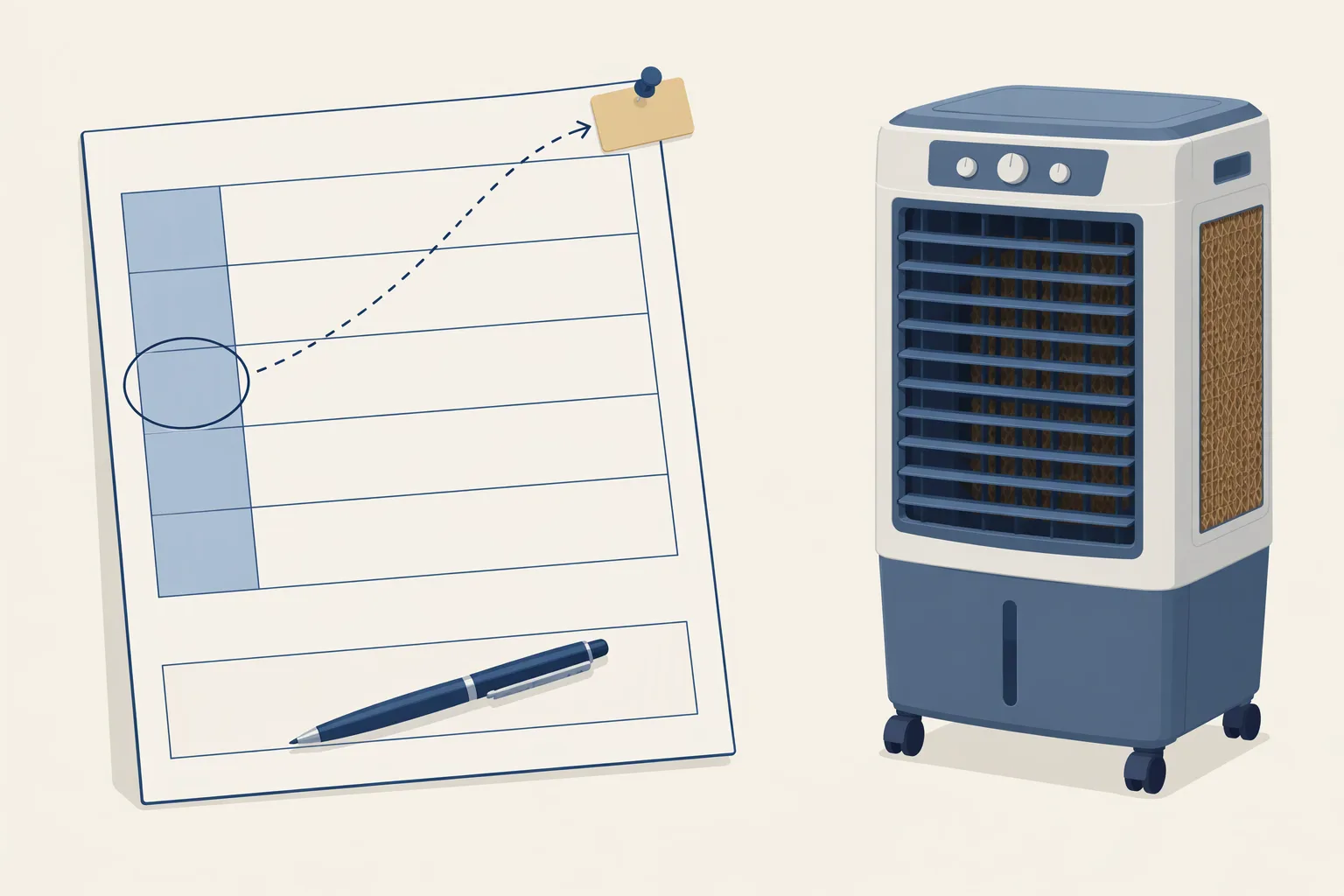
A sheet that arrives with "approved with comments" is two records: one signed, one not. If the sample cannot be approved as it stands, the cleaner move is to sign nothing and issue the change list as its own numbered document, so that the next sample is built against it. Who signs on our side for a particular project, and how our change lines are numbered, is not something a general page can settle — ask us when the project starts, and set your format and ours up as one document.
What does the signature fix for the rest of the order?
Three places, and all three are where a vague sample comes back.
Production. Planning confirms the approved sample, the specification and the packaging before production starts. A sample reference that cannot be produced on request is not a reference.
Inspection. The report that releases the container has to name which approved sample and which packaging revision the cartons were checked against. That is one of the six fields we set out in what an appliance order's inspection report should record, and a sample that exists only as a photograph on somebody's phone cannot fill it.
Documents. The approved configuration is the thing a test record describes. The record of product certification documents is described on the page itself as model-specific, to be confirmed against the ordered configuration and destination market, with issue dates given as document dates rather than as current approval for the whole range. A record like that describes the units that were submitted, at the rating on its face — so a record naming a different supply or a different rating describes an object that is no longer in the carton. Ask for the record that names your configuration before production is planned, not for the assurance that documents exist.
Buyers often call the approved unit a golden sample and treat it as the physical benchmark for the run. How many copies a project holds, where they are kept and which one travels with the shipment is a project arrangement rather than a general rule — ask us and we will confirm in writing what we keep and what is sent to you.
What belongs on the approval sheet?
Nine lines, in this order, so that the sheet can be checked by someone who was not in the room:
- Model suffix and configuration, with the electrical supply and the rating.
- The record each figure came from: document, revision and date.
- Dimensions, with measuring points, tolerance and the method used.
- Appearance: physical colour standard, finish, logo artwork, placement and application method.
- Functions: each one, the setting or input tested, and the recorded result.
- Acceptance criteria, as agreed in writing before the sample was sent.
- Packaging revision for carton, label, manual and accessories, with the artwork revision of each.
- Numbered change lines, each with its effect on tooling, testing, price and timing, and who accepted it.
- A named signer on each side, their role and the date — plus the version this sheet supersedes.
A printed form or a table in a shared file both work, as long as the fields are the same on both sides, the version is visible on the paper, and the copy you keep is the one that was signed.
What should you send before you sign?
Send the exact model suffix, the destination market, the figures your brief actually requires, and the packaging you intend to print. Start from the catalog comparison so that the suffix you name is the one whose figures you have read. If one of your figures disagrees with the record — your brief says 6 L and the model record says 5.5 L — that disagreement is the thing to settle before the sample is dispatched, not a note to attach afterwards. Send them to our team and we will confirm the records for that configuration, and the changes each one carries.
Filed under OEM & ODM
Back to Blog